
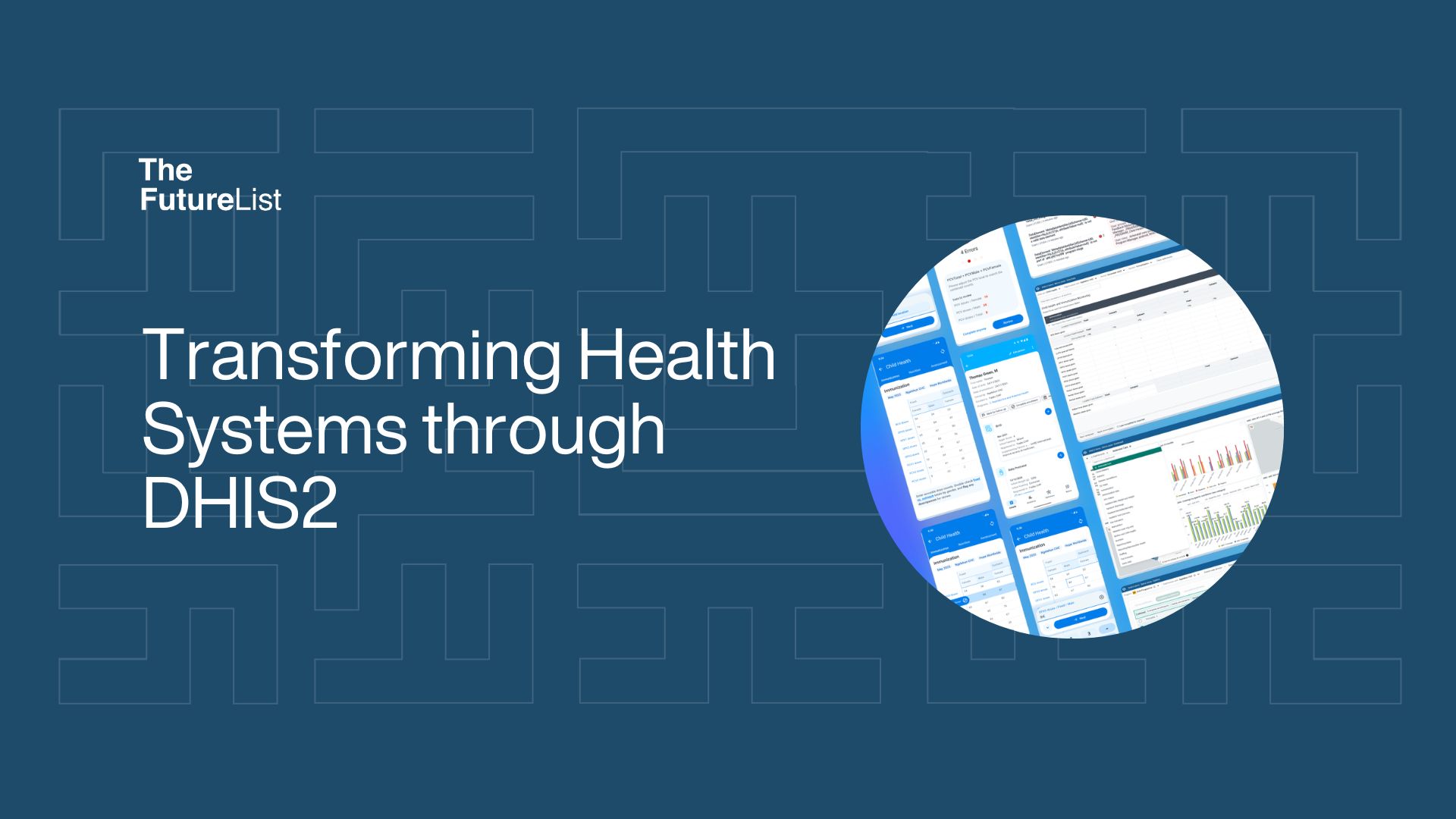
Transforming Health Systems through DHIS2
By Henry Duah
Innovation in health goes beyond new treatments and devices; it encompasses digital tools and data systems that strengthen decision-making, improve service delivery, and ultimately save lives. One such transformative innovation is DHIS2, a digital platform that has become central to health information management in many parts of the world.
What is DHIS2?
DHIS2 (District Health Information System 2) is an open-source, web-based health management information system developed by the HISP (Health Information Systems Programme) Centre at the University of Oslo in collaboration with the University of the Western Cape. DHIS2 helps countries collect, manage, analyse, and visualise health data, supporting both routine and emergency health programs. As the world’s most extensive health management information system (HMIS), DHIS2 is officially designated as a WHO Collaborating Centre for innovation and implementation research on health system strengthening globally.
While it is most widely known for its use in health information systems, DHIS2’s flexible design allows it to be used in various other sectors. It can serve as an information management system for multiple sectors, including education, logistics, water and sanitation, agriculture, and more.
DHIS2 applications for Health
DHIS2 is widely used as an integrated health information platform, bringing together data across multiple programs to help decision-makers plan, monitor, and evaluate services effectively. Some of its key applications include:
- Disease Surveillance, Early Warning & Response
DHIS2 supports integrated disease surveillance and real-time emergency response activities, from pandemics like COVID-19 to natural disasters.
- Individual Data Tracking
Using the Tracker module, countries manage person-centred programs such as HIV and TB treatment, immunisation registries, and case surveillance. It also supports follow-up, appointment reminders, and work plans for health workers.
- Logistics for Health
DHIS2 facilitates digitised stock reporting down to the facility level, improving the visibility of essential medicine availability and supporting smarter distribution.
- Mortality & Civil Registration
Countries use DHIS2 to record and analyse mortality data, linking civil registration and health systems.
- Community Health & Health Campaigns
DHIS2 supports community-based reporting and the management of targeted health campaigns.
These modules are complemented by the DHIS2 Health Data Toolkit, which helps countries adopt WHO standards, and by collaborations with partners like UNICEF and the US CDC to tailor features to local needs.
Why do countries use DHIS2?
DHIS2 is the national HMIS in 73 low and middle-income countries and is used in over 100 countries, including NGO programs, impacting the health data of around 3.2 billion people. Countries choose DHIS2 because it is open source, highly adaptable to local contexts, and designed to support integrated data management across programs. It enables health ministries to utilise a single platform for routine data, disease surveillance, logistics, and more. These, together, make health and other sectors’ systems more efficient and interconnected.
Impact on Health
DHIS2 strengthens health systems by providing reliable, real-time data for decision-making at local, regional and national levels. It helps detect and respond to outbreaks more quickly and improves patient care through better tracking. Additionally, the adoption of DHIS2 facilitates the equitable distribution of medicines and enhances planning and budgeting. Ultimately, DHIS2 transforms data into action by enabling countries to allocate resources more effectively and build resilient health systems.
Get innovation insights from The FutureList weekly. Subscribe to our newsletter here